
19 Feb The Role of Spiritual Care in Hospice
When a family begins the hospice journey, their focus is often on managing physical symptoms and providing comfort. While medical care is a critical part of this process, hospice is founded on the principle of caring for the whole person. This includes their emotional, mental, and spiritual well-being. Spiritual care is a fundamental component of hospice that offers comfort and support to patients and their families, regardless of their beliefs or background.
At Aegis, we see firsthand how spiritual support helps people navigate the profound questions that arise at the end of life. This type of care is about honoring each person’s unique journey, providing a compassionate presence, and helping them find peace in a way that is meaningful to them.
What is Spiritual Care in Hospice?
Spiritual care in a hospice setting is a deeply personal service that addresses the needs of the human spirit. It is not limited to any one religion or faith tradition. Instead, it respects and supports all paths, including those who may not identify with any specific religion. Hospice chaplains are trained to meet people exactly where they are, offering support that aligns with their individual values, beliefs, and culture.
The role of a spiritual care coordinator is to listen. They create a safe, non-judgmental space for patients and families to express their fears, hopes, and questions. This might involve reflecting on a person’s life, exploring sources of meaning, or helping to mend relationships. The goal is to reduce emotional and spiritual distress, which can be just as painful as physical symptoms.
Supporting Patients on Their Journey
Facing a terminal illness often brings up existential questions about life, legacy, and what comes next. Patients may grapple with feelings of regret, fear, or a sense of unfinished business. A hospice chaplain can help them navigate these complex emotions.
Spiritual care can help patients by:
Finding Meaning and Purpose: A chaplain can help a patient reflect on their life’s story, celebrating accomplishments and finding meaning in their experiences. This life review can be a powerful tool for finding peace.
Coping with Fear and Anxiety: The unknown can be frightening. Spiritual counselors provide a calming presence, helping patients articulate their fears and find sources of comfort, whether through prayer, meditation, or simply conversation.
Reconciling Relationships: End-of-life is often a time for healing broken relationships. A chaplain can facilitate difficult conversations with loved ones, helping to foster forgiveness and reconciliation.
Connecting with Faith Traditions: For patients with a religious background, chaplains can provide familiar rituals, prayers, and readings. They can also connect patients with leaders from their specific faith community.
Supporting Families Through Grief and Loss
Spiritual care extends to the entire family. Loved ones are on their own difficult journey, navigating the emotional toll of caregiving and anticipatory grief. A hospice chaplain offers support for them as well, providing a shoulder to lean on and a listening ear.
For families, spiritual care can offer:
A Space to Process Emotions: Family members often feel they need to be strong for their loved one. A chaplain provides a confidential outlet for them to express their own sadness, anger, and exhaustion.
Guidance and Reassurance: Many family members wonder if they are making the right decisions. Spiritual counselors can offer reassurance and support, helping them feel confident in the care they are providing.
Support After a Loss: The connection with a hospice chaplain does not end when a patient passes away. They continue to provide bereavement support for the family, helping them walk through the grieving process.
A Universal Human Need
The need for connection, meaning, and peace is universal. Spiritual care recognizes that every person has a spiritual side, whether it is expressed through organized religion, a connection to nature, a love of art, or deep family bonds. It is about what gives a person hope and helps them feel part of something larger than themselves.
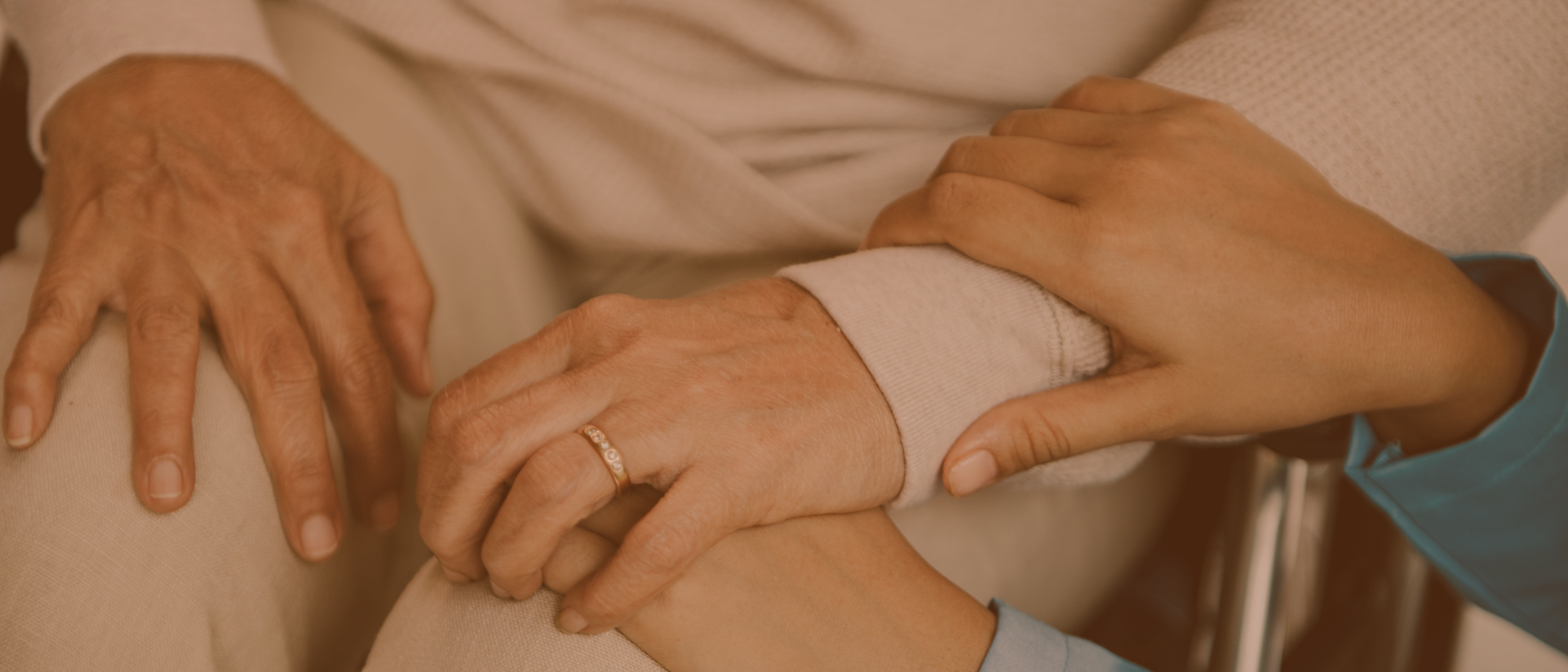
The hospice team works together to create a circle of support around each patient and family. By addressing spiritual needs alongside physical ones, we help people live their final days with dignity, comfort, and a sense of wholeness. It is a profound privilege to walk with families during this sacred time, offering a hand to hold and a heart that listens.
At Aegis, our compassionate chaplains are an integral part of our care team. They are here to support you and your loved one, honoring your unique journey with respect and understanding.